Emerald Ash Borer is in Vermont
Contact us for an Arborist consulation about EAB
It’s not too late for proper planning.
It’s not too late for proper planning.
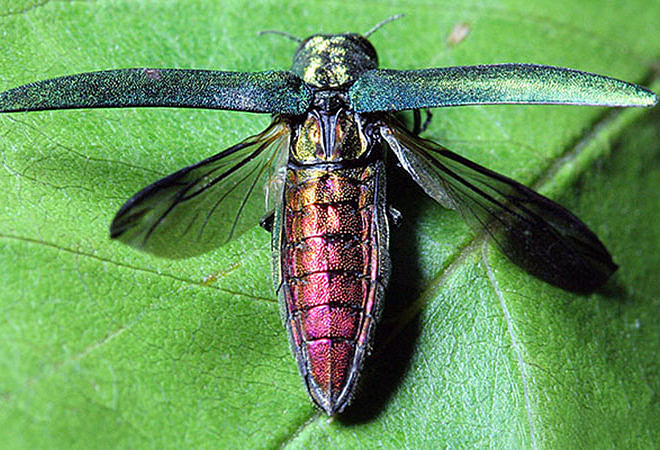
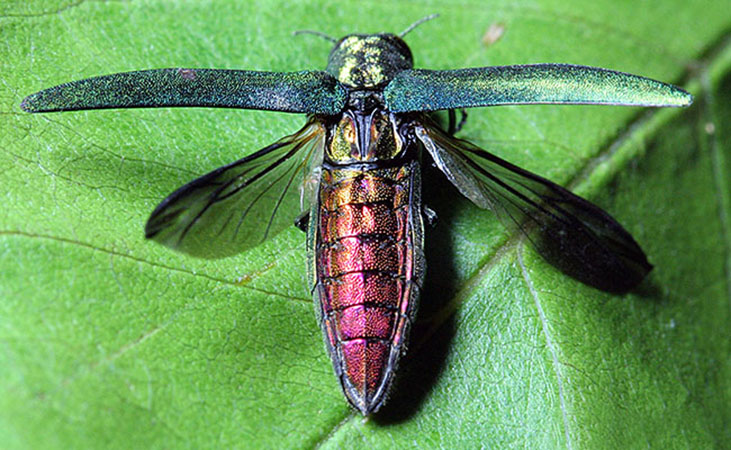
Emerald Ash borer(EAB) is a beetle from Northeast Asia, first documented in the U.S. by the Michigan Department of Agriculture in 2002. The beetle has shown drastic impacts on North American Ash trees, killing tens of millions of Ash trees in forests and cities across the continent. During the larva stage, EAB lives in the Cambium, or the outermost “living layers” of Branch and Trunk tissue; which, are responsible for the majority of water and nutrient transport throughout the tree. EAB larva burrow tunnels that effectively girdle the tree and deprive it of said water and nutrients. EAB was first documented in Vermont in 2018 and the State now requires limitations on transportation of infested materials. Further information can be found via the links provided below.
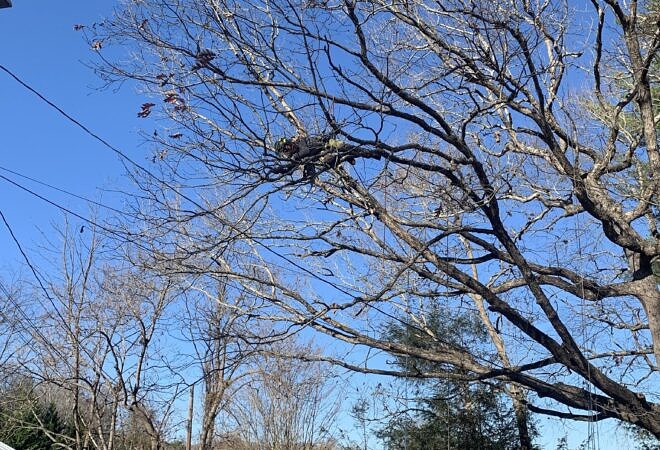
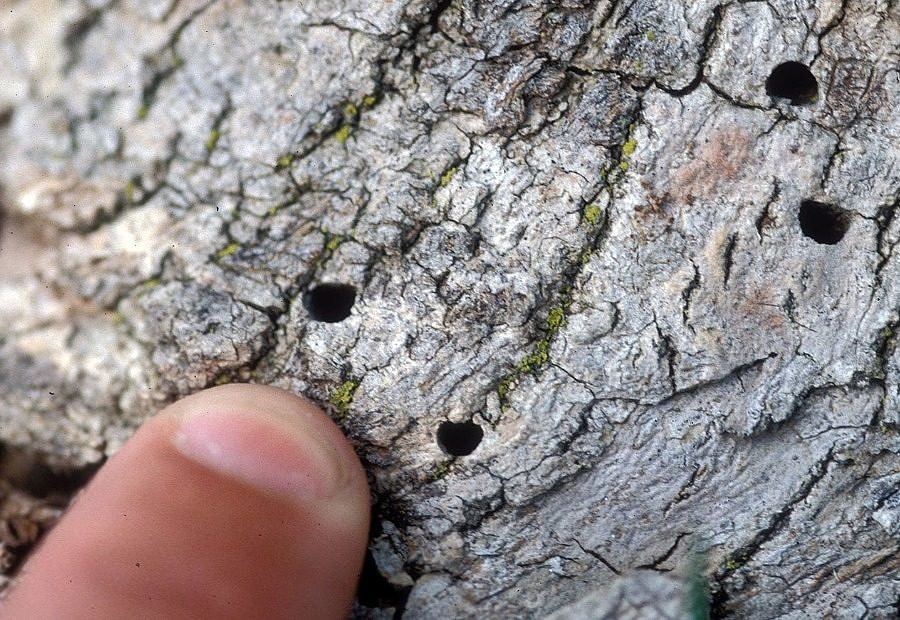
EAB is difficult to detect early-on, since the larva live under the bark. Only when infestation is present for 1-2 seasons, are the signs and symptoms visible from the ground. Things to look for are what we call “tip dieback” in the canopy, and “blonding” of the bark. Looking very closely at the bark, you may notice “D” shaped exit holes that are created when the larva mature and leave the trees as fully-grown beetle adults.
– It is important to leave a hearty population of Ash trees in hopes that some trees will prove to be more resistant to Ash Borer than others; however, treatment or replacement should be considered if the tree is in close proximity to persons or property. There is also great value in considering retention of “standing-dead” habitat trees.
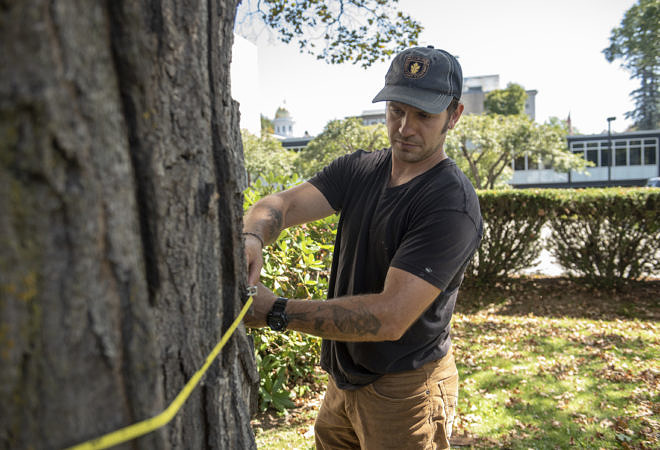
– Insecticide treatments offer significant, statistically proven, protection when treated prior to 30% Crown Decline. Some studies show as much as 90% retention rates for individual trees treated at the appropriate time. It is important to have an assessment performed by a Certified, or otherwise Qualified, Arborist in order to determine if your trees are candidates for treatment.
We are glad to offer Insecticide Treatments by partnering with local Licensed Pesticide Applicators and can provide our pricing upon request!
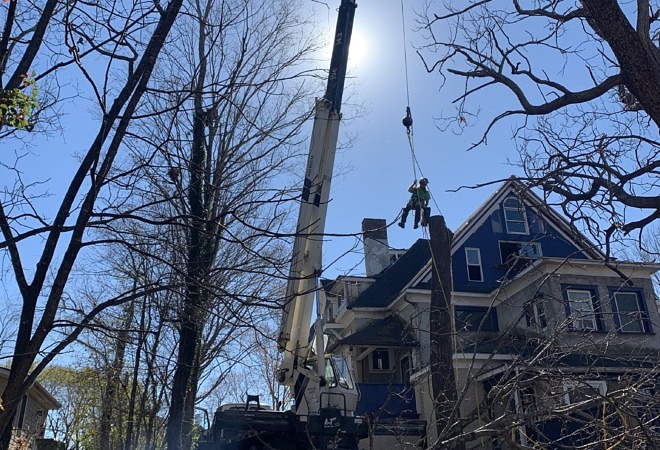
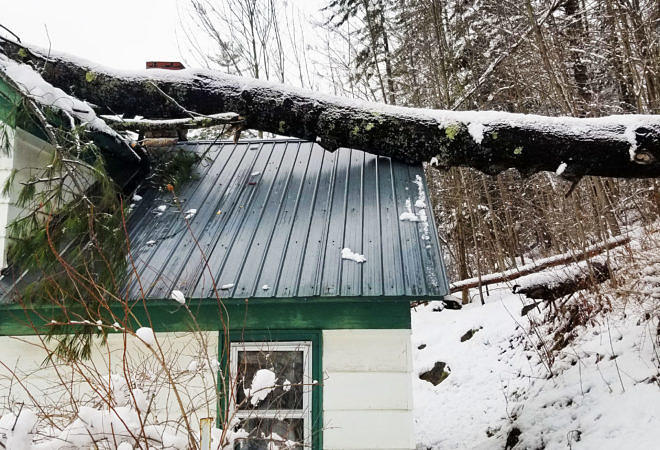
Dead or Declining Ash trees are extremely brittle and statistically-speaking, unpredictable; therefore, removal requires extreme caution and specialized expertise or equipment. Contact us for a consultation so that we can discuss the necessary management approach.
VT Laws for Ash Log Transport
VT Invasives – EAB in Vermont
NISIC – Emerald Ash Borer